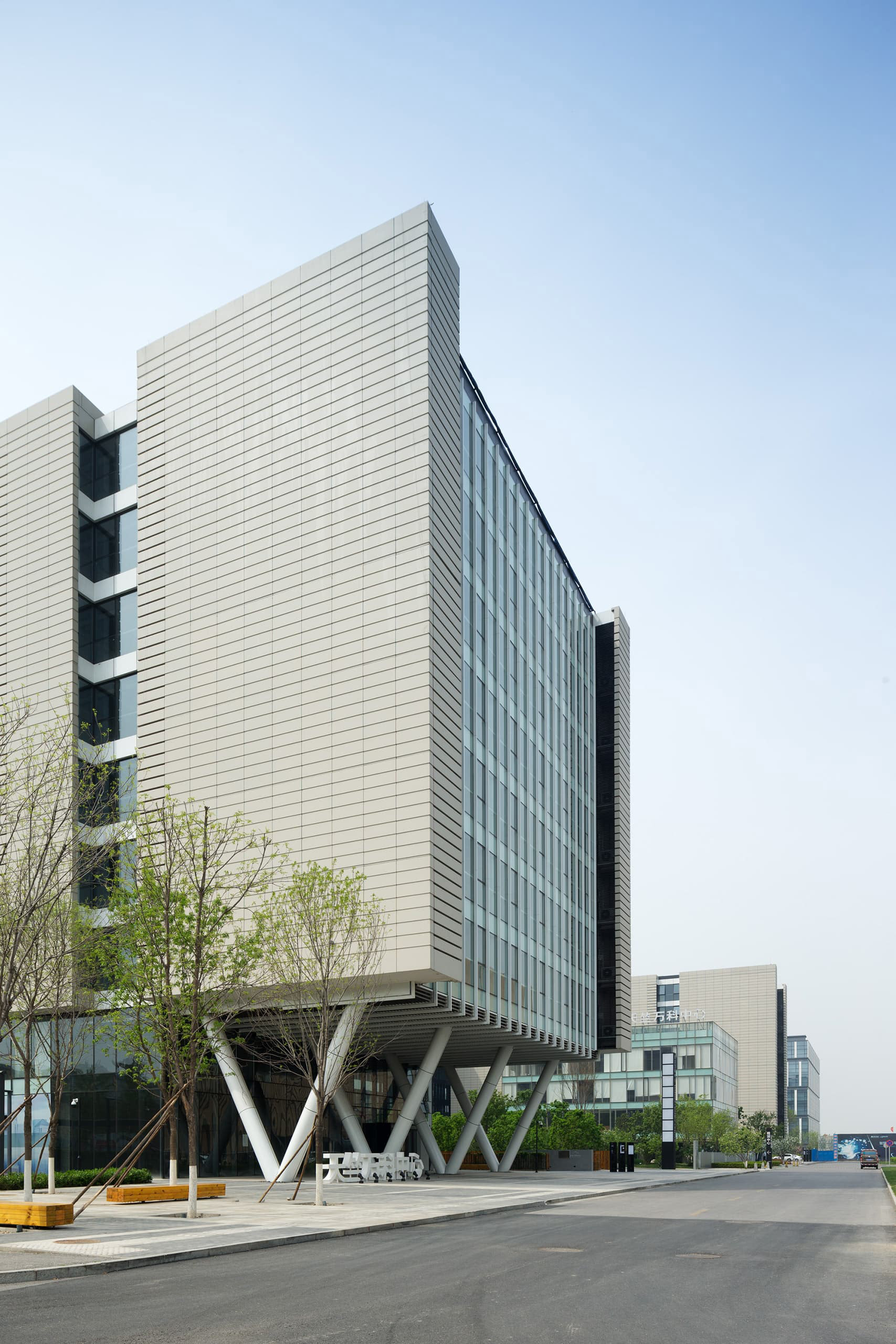
Located near Beijing Capital International Airport and connected by the Airport North Expressway and Guodao 101, the project occupies a strategic position within one of the city’s rapidly emerging suburban districts. As Beijing continues to expand beyond its traditional urban core, new residential and commercial areas are reshaping the metropolitan landscape. The development responds to this transformation by proposing a workplace environment that extends beyond the conventional office model and anticipates the needs of future communities.
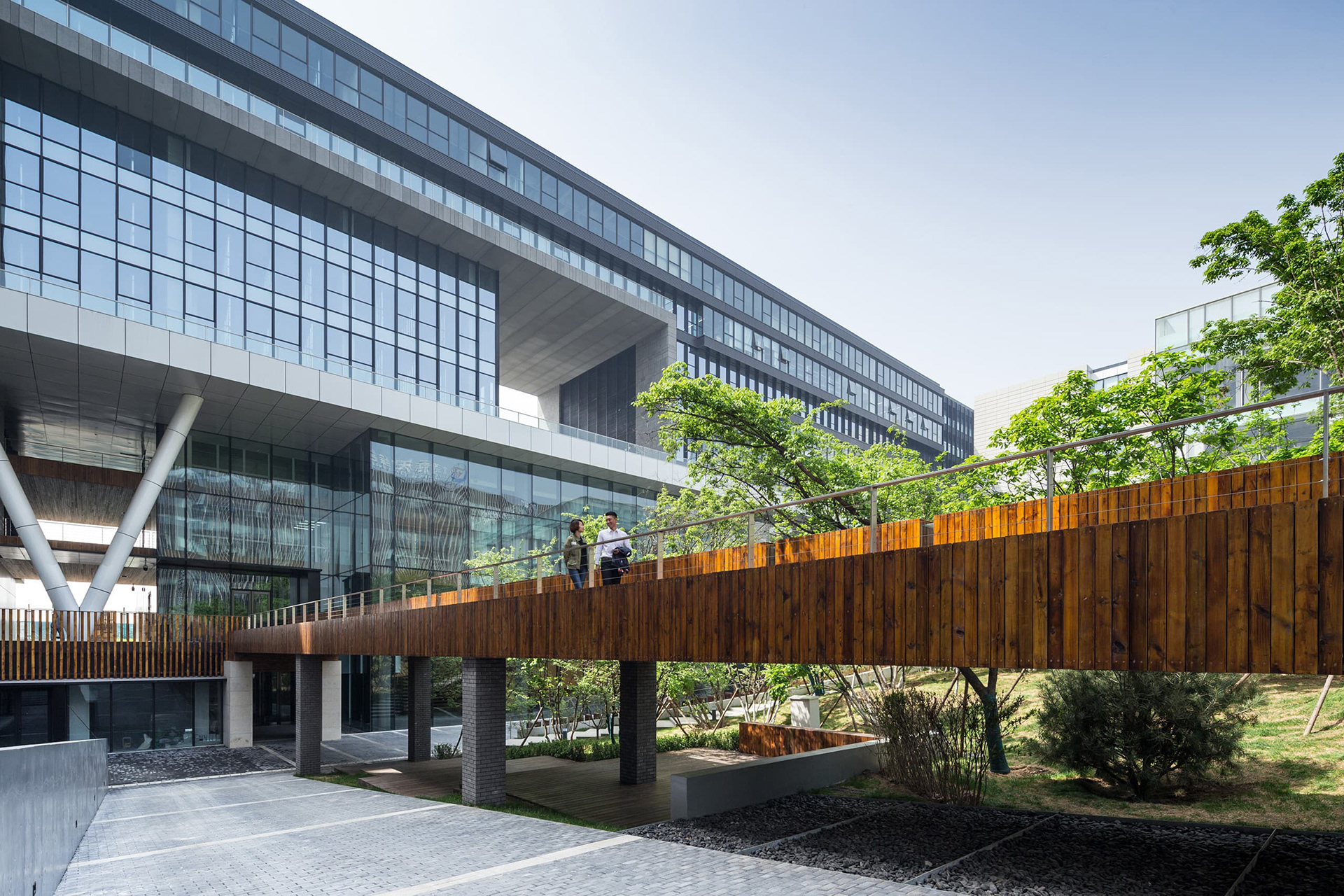
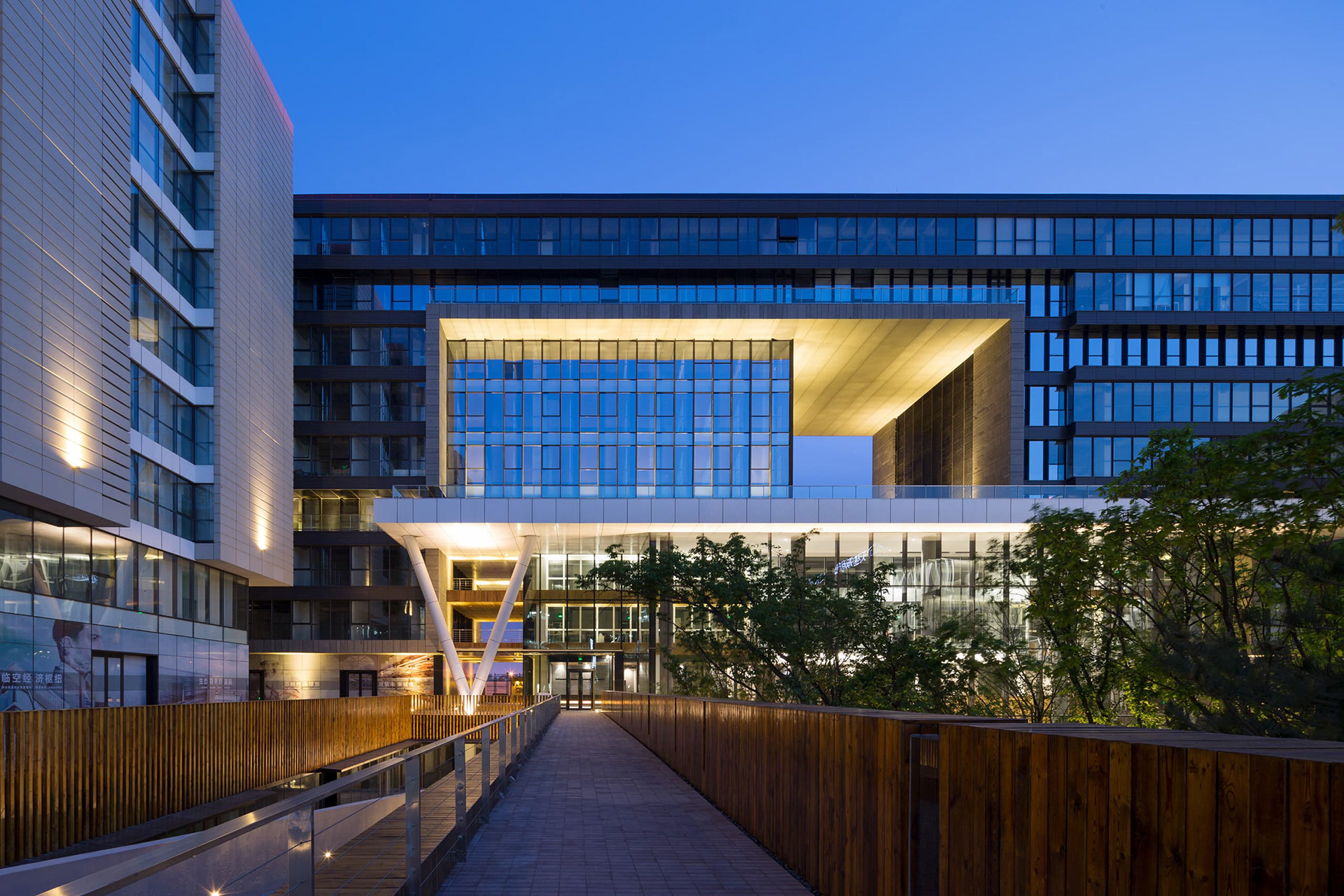
Rather than functioning as an isolated office complex, the project was conceived as a destination and gathering point within the evolving district. The ground floor is opened to the public and accommodates retail, plazas and shared amenities that can be enjoyed by both office users and the wider neighbourhood. In doing so, the development establishes a social and commercial hub capable of supporting the growth of the surrounding area as it continues to urbanise.
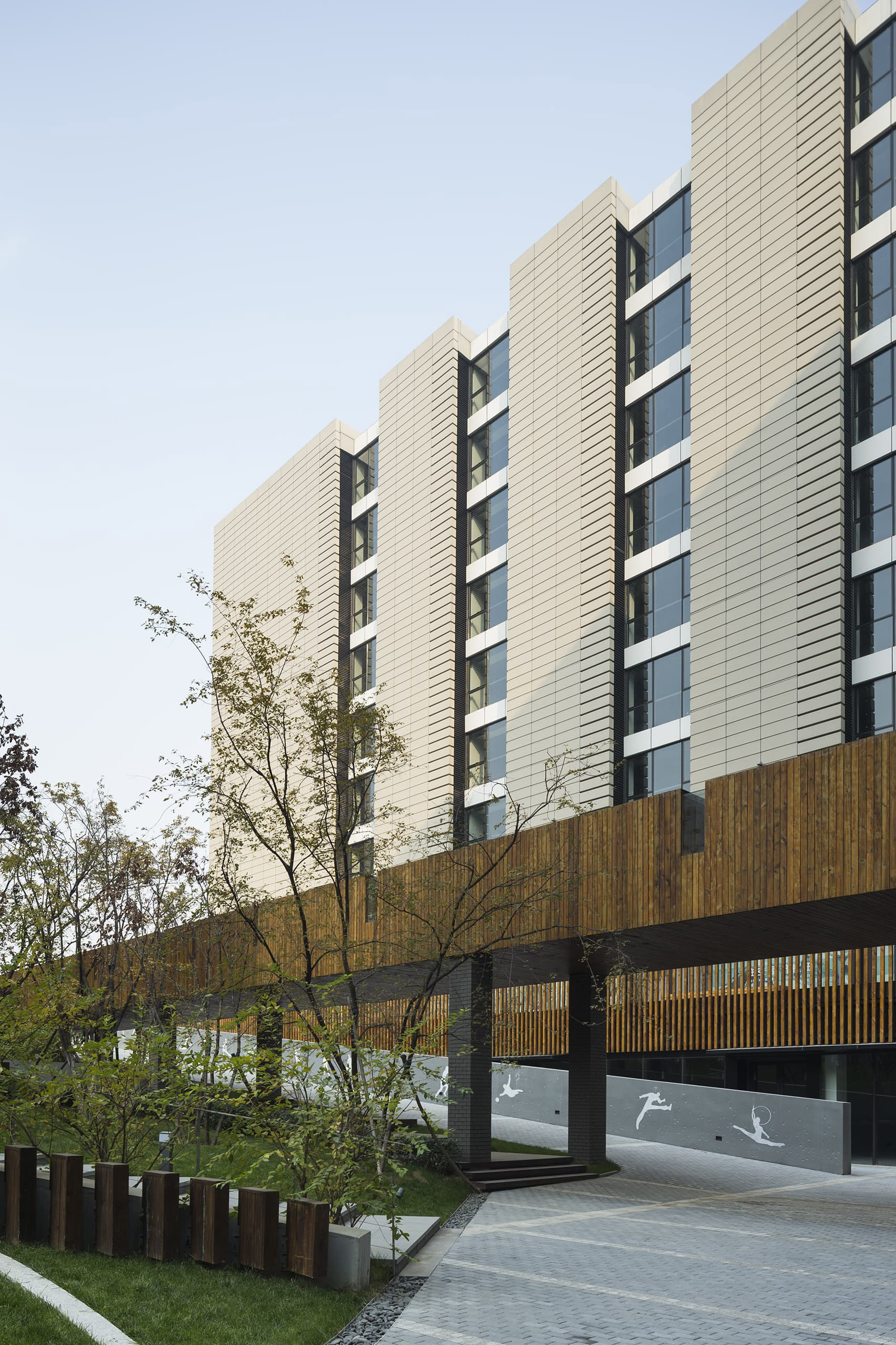
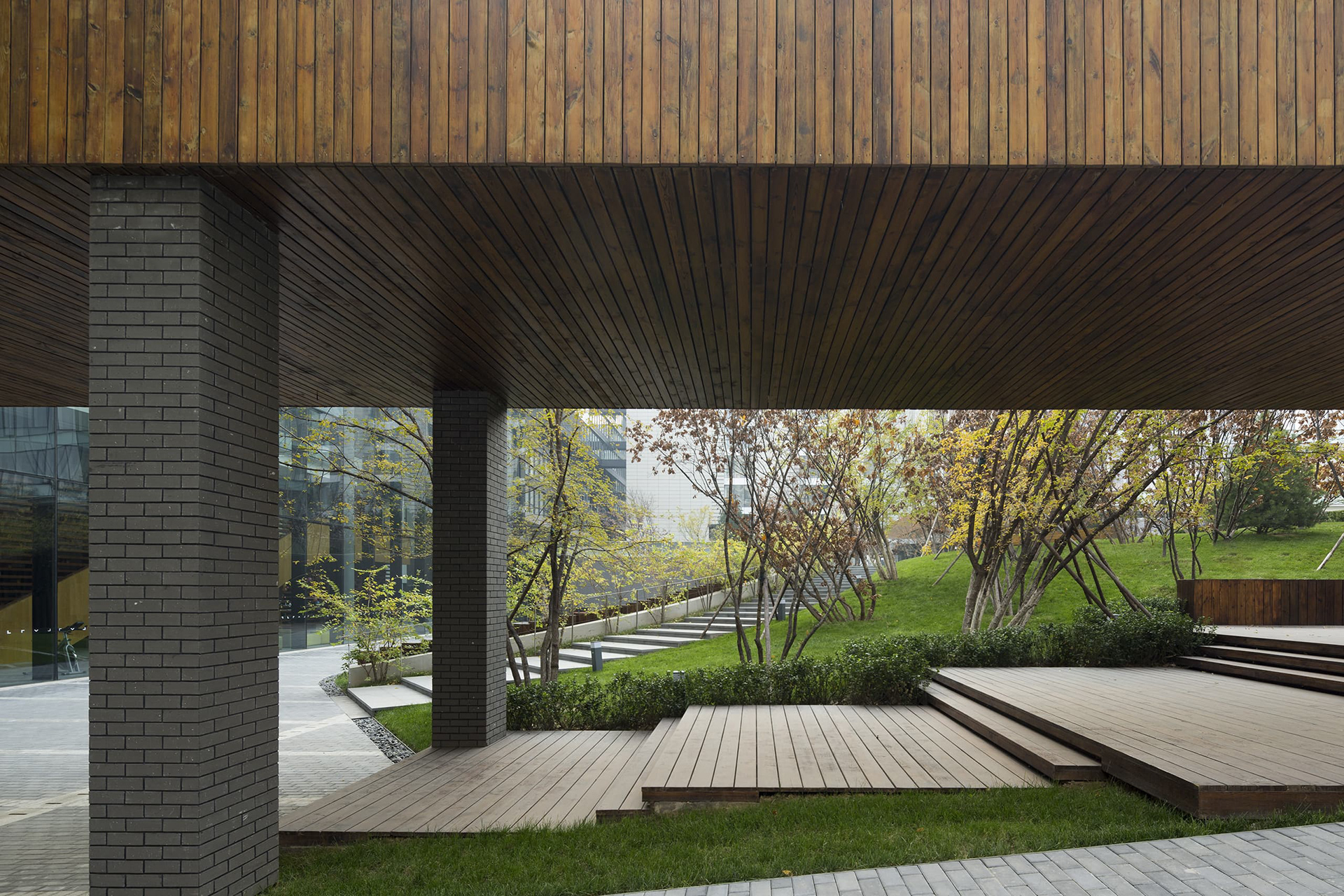
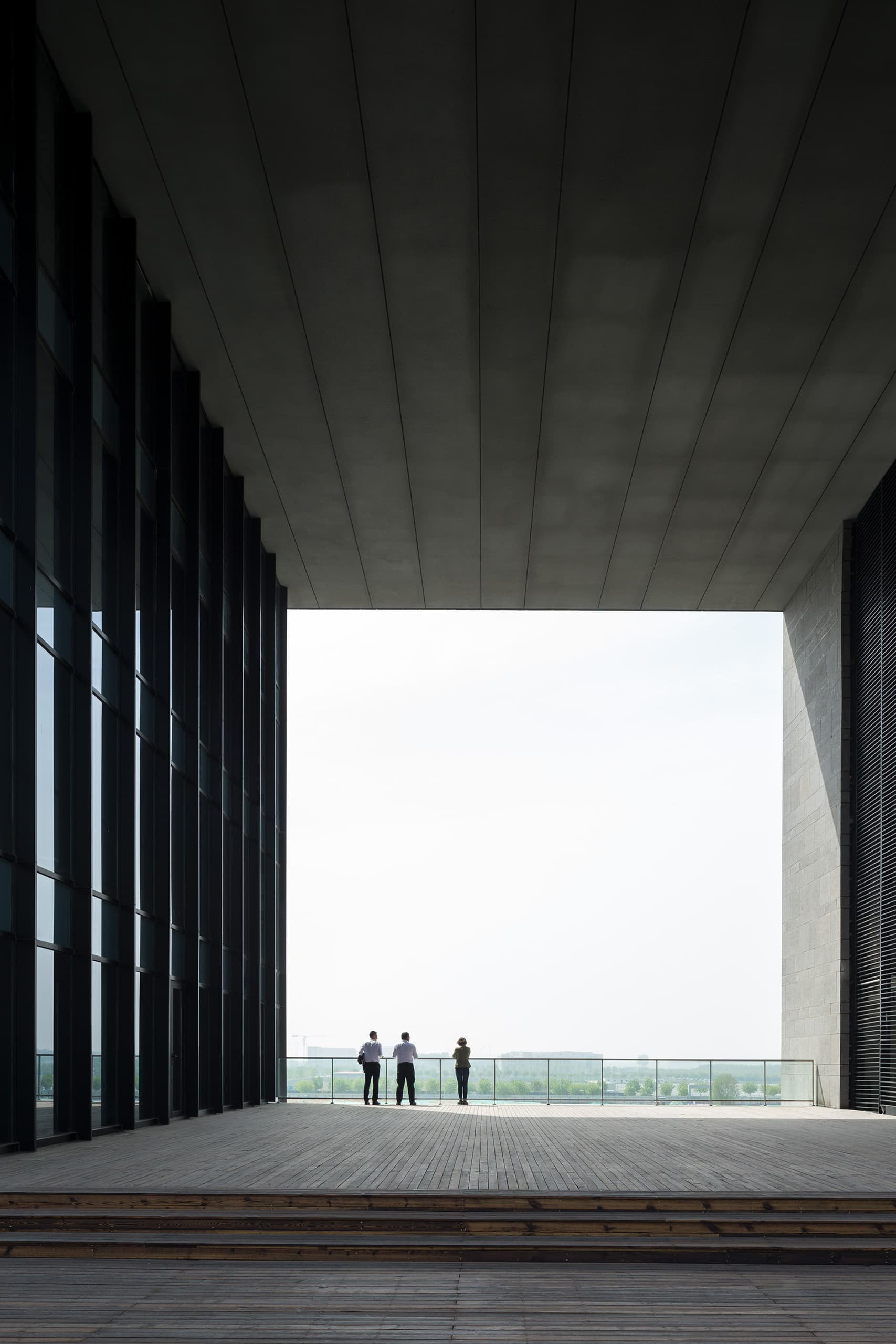
Landscape plays important role in shaping the workplace experience. Positioned at the centre of the development and embraced by the surrounding architecture, a large green courtyard forms the social and environmental heart of the project. More than a landscaped space, it serves as a shared environment where nature, work and community intersect.
Carefully selected plant species introduces seasonal variation, improves environmental performance and creates opportunities for employees to work, meet and relax within a natural setting. A human-centred model for suburban working environments that anticipates the changing expectations of future office culture.
location: tianzhou, china
type: architecture and interior design
program: office and retail
area: 59.300sqm
design team: toshio tsushima, leroy merks, shangjie jin, yu hoi ting cherry, winnie tam
local architect: beijing institute of architectural design
status: completed (2017)
awards: perspective awards
services: architecture, interior design, site coordination